

Skin Cancer

Advanced Methods for Accurate Diagnosis in the New Jersey Area
What is Skin Cancer and How Does It Develop?
Skin Cancer Prevention Tips: Sunscreen, UV Protection, and Skin Checks
What Are the Main Types of Skin Cancer?
What Are the Warning Signs of Skin Cancer?
Skin cancer remains the most common cancer in the United States and worldwide, making early detection and expert treatment more important than ever. In 2026 alone, the American Cancer Society projects that new melanoma diagnoses will increase by 10.6%, reaching an estimated 234,680 cases across the United States. Early diagnosis can significantly improve treatment outcomes, which is why patients turn to South Jersey Skin Care & Laser Center in NJ for skin cancer screenings, accurate diagnoses, and personalized care. Our experienced team is committed to detecting skin cancer at its earliest stages and providing effective treatment to help protect your long-term health.
Early detection of cancerous and precancerous skin lesions is critical for successful treatment, as outcomes are significantly better when conditions are identified early. Our clinical dermatology team provides comprehensive care across every stage of the process, including prevention, full-body evaluations, accurate diagnosis, lesion removal, and post-treatment skin health monitoring.
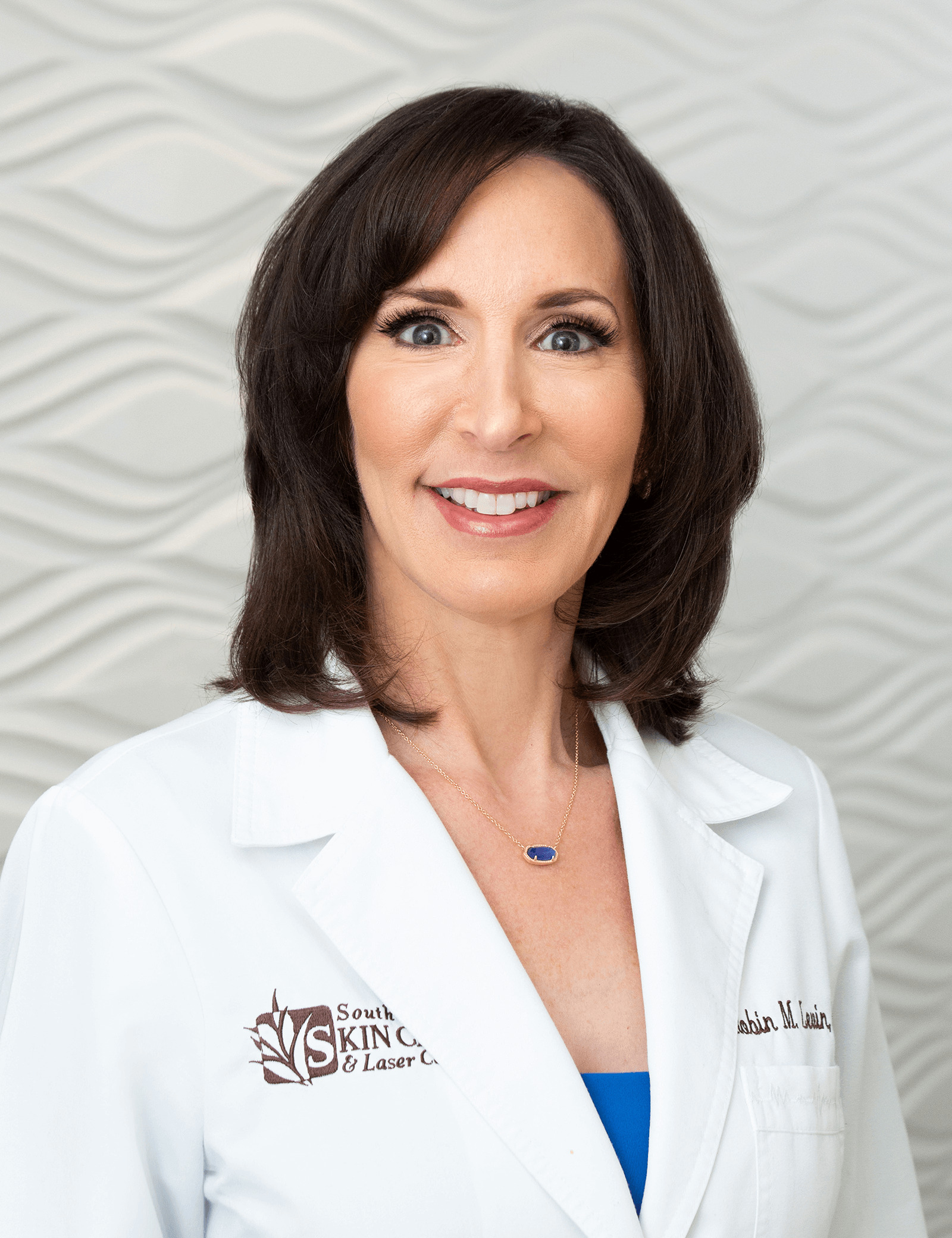
Patients receive continuous support and clear guidance throughout their care journey to ensure comfort and understanding at every step. Board-certified dermatologist Dr. Robin Levin and her team deliver expert, patient-centered care focused on early intervention, effective treatment, and long-term skin health management.
What is Skin Cancer and How Does It Develop?
Skin cancer develops when abnormal skin cells begin to grow uncontrollably, often as a result of DNA damage within the skin. When cellular DNA is not properly repaired, it can lead to rapid cell division, genetic mutations, and the formation of malignant tumors. In many cases, a dermatologic biopsy is used to evaluate suspicious moles, lesions, or growths and determine whether cancerous or precancerous cells are present.
The primary risk factor is cumulative exposure to ultraviolet (UV) radiation from the sun or tanning beds, though genetics, skin type, immune suppression, and environmental factors can also contribute to development. Because these conditions are highly common, routine dermatologic screening is essential for early detection and prevention of progression.
When identified early, cancerous and precancerous lesions can often be completely removed with highly effective treatment options and minimal cosmetic impact. In many cases, abnormal growths can be detected at a precancerous stage—before they penetrate deeper layers of the skin or become more invasive.
At South Jersey Skin Care & Laser Center in New Jersey, patients receive comprehensive, patient-centered dermatologic care focused on early detection, accurate diagnosis, and advanced treatment options. Our clinical team takes a compassionate, individualized approach, ensuring every patient’s concerns are carefully addressed. With a strong focus on cosmetic dermatology, we prioritize techniques that minimize scarring and preserve the natural appearance of the skin following lesion removal or skin cancer–related procedures.
Looking for expert skin cancer diagnosis and treatment in NJ? Book an appointment online, at South Jersey Skin Care & Laser Center. You can also call or text (856)-810-9888,.

Skin Cancer Prevention Tips: Sunscreen, UV Protection, and Skin Checks
Skin cancer risk can be significantly reduced through consistent UV protection, early detection, and routine dermatology screenings. Prevention strategies focus on minimizing cumulative sun exposure, which is the leading cause of abnormal skin cell changes and melanoma development.
Effective UV protection includes wearing sun-protective clothing, applying broad-spectrum SPF 30+ sunscreen that is water-resistant, and reapplying every two hours during sun exposure. Additional measures include seeking shade during peak UV index hours, avoiding reflective environments such as water and sand, and eliminating indoor tanning bed use, which is strongly associated with increased risk of melanoma and other skin cancers.
Since risk factors also include genetics, fair skin, and personal or family history, prevention alone is not always sufficient. This is why routine full-body skin exams with a board-certified dermatologist are essential for early detection of precancerous lesions and early-stage skin cancer.
Our Approach to Skin Cancer at South Jersey Skin Care & Laser Center
At South Jersey Skin Care & Laser Center, we encourage our clients to schedule a full-body skin exam every year. According to the Skin Cancer Foundation, total body examinations cut melanoma deaths in half. Additionally, it is important to practice adequate sun protection measures and limit excessive sun exposure and the use of tanning beds.
Dr. Robin Levin and our team are highly knowledgeable about skin cancer and are experienced at skin cancer removal in New Jersey. We will develop a treatment plan for you, making every effort to minimize the visibility of scarring. If you’ve been diagnosed with skin cancer, contact South Jersey Skin Care & Laser Center to learn more about our treatment program.
What Are the Main Types of Skin Cancer?
The skin is the body’s largest organ and is composed of multiple layers, with the epidermis serving as the outermost protective barrier. Most skin cancers originate in this outer layer, where damage to specific cell types helps dermatologists determine the exact diagnosis and guide treatment planning.
Within the epidermis, there are three primary cell types involved in the development of skin cancer: squamous cells, basal cells, and melanocytes. Squamous cells are flat, thin cells located in the upper epidermis and are commonly associated with squamous cell carcinoma. Basal cells sit just beneath them and are responsible for producing new skin cells, with abnormalities in these cells leading to basal cell carcinoma. Melanocytes are pigment-producing cells found in the deeper epidermal layer, and when they become malignant, they form melanoma, the most aggressive form of skin cancer.
The majority of diagnoses fall into three main categories: melanoma, basal cell carcinoma, and squamous cell carcinoma. These represent the most common forms of skin cancer seen in dermatology practices, including those in New Jersey and across the United States. Less common but rarer variants include Merkel cell carcinoma, Kaposi sarcoma, and cutaneous lymphoma, which require specialized evaluation and treatment.
Understanding the type and origin of abnormal skin cells is essential for accurate diagnosis, staging, and treatment selection. If you are concerned about a changing mole or skin lesion, a dermatology evaluation can help determine whether further testing, such as a biopsy, is needed.
Wondering which type of skin cancer is the most serious? Read more about non-melanoma and melanoma skin cancer here.
Melanoma vs. Non-Melanoma Skin Cancers
Non-Melanoma Skin Cancer
The most common types of skin cancer are non-melanoma, a category that includes basal cell carcinoma (BCC) and squamous cell carcinoma (SCC). These develop in basal or squamous cells, respectively, in the top layer of skin (epidermis). As they grow, however, they can penetrate more deeply into the skin, invading the dermis.
BCC or SCC can first appear as a new bump or growth on the skin, which may be pink and scaly, or waxy, scar-like, or shiny. The bump may bleed or scab without any external cause, or look like a pimple that persists over several months.
If left untreated, non-melanoma skin cancers can spread to larger areas of skin, causing pain, bleeding, and possible disfigurement. However, if detected early, they are easily treatable, and typically stay localized to the skin and do not spread to other parts of the body.
Melanoma Skin Cancer
Melanoma skin cancers derive from the pigment-producing cells in the skin known as melanocytes. Melanoma is the third most common type of skin cancer—but although this type of skin cancer is less common, it can be more aggressive than BSS and SCC. Melanoma has a greater risk of invading other parts of the body and can be fatal if not diagnosed and treated early enough.
Since it can spread more rapidly, early detection of melanoma is crucial to the effectiveness of any treatments. Melanoma can appear as a new growing mole, or as an existing mole that is changing. Typically, such moles stand out from others as “ugly ducklings.”
It is possible in many cases to spot skin cancer and treat it early. Even rapidly growing skin cancer, whether melanoma or non-melanoma, can be removed effectively when detected early enough.
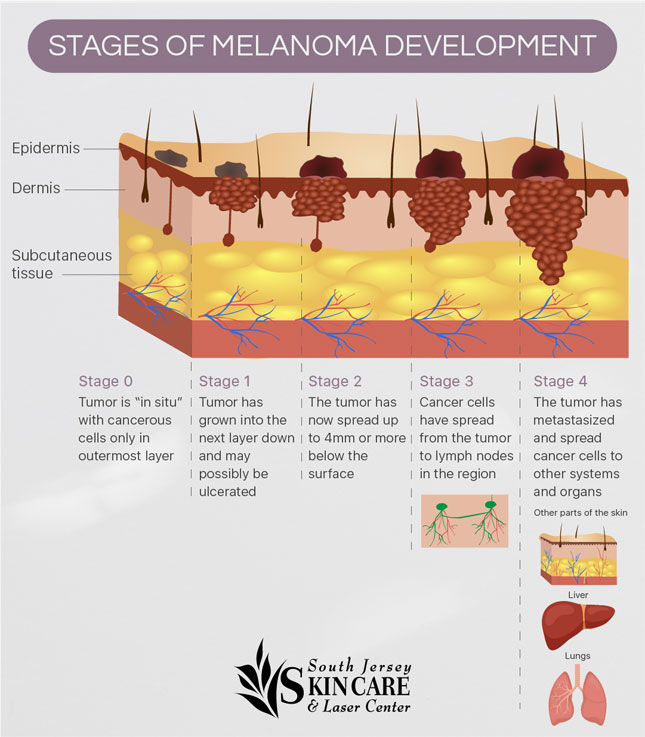
Learn the stages of melanoma, a fast-moving and deadly form of skin cancer. New Jersey’s South Jersey Skin Care & Laser Center encourages routine self-checks and dermatologist-led full-body scans to identify cancerous lesions as early as possible in order to maximize the chances of the best outcome from treatment.
Get in touch with South Jersey Skin Care & Laser Center at (856)-810-9888 for more advice about skin cancer from our New Jersey practice or book an appointment online.
What Are the Risk Factors for Skin Cancer?
The causes of skin cancer are not fully understood by scientists. However, there are risk factors that will make some people more likely to develop certain types of skin cancer. Exposure to ultraviolet (UV) radiation from natural or artificial sources is the primary cause of skin cancer in many cases. The risk can increase with cumulative sun damage and a history of blistering sunburns.
If you have many moles, light skin that burns or freckles easily, natural blond or red hair or blue or green eyes, a prior skin cancer diagnosis, a weakened immune system, or are older than 30, you are more likely to develop skin cancer. While skin cancer can occur at any age, it is more likely to develop in individuals aged 50 or older.
Additionally, if you have a family history of skin cancer, you will be at a higher risk for the disease. Some patients may need to start regular skin exams at an earlier age if they have a family or personal history of skin cancer, or if they have other risk factors.
What Are the Warning Signs of Skin Cancer?
Early detection of skin cancer and melanoma significantly improves treatment outcomes, which is why recognizing warning signs is essential. Skin cancers can vary in appearance and may not cause symptoms in the earliest stages. The dermatology team at South Jersey Skin Care & Laser Center in New Jersey educates patients on how to identify suspicious skin changes and when to seek a professional skin evaluation.
Early Warning Signs of Skin Cancer and Melanoma
Common early signs of skin cancer may include new or changing lesions, such as a mole, spot, lump, or scaly patch that does not heal. Patients often notice changes in existing moles or the development of unusual growths that look different from surrounding skin. Any persistent skin abnormality that evolves over time should be evaluated by a board-certified dermatologist.
What Skin Cancer May Look Like
Many patients ask, “What are the signs of skin cancer?” While appearance varies, common characteristics include:
- New or growing spots on the skin
- Moles that change in size, shape, or color
- Rough, scaly, or crusted patches
- Lesions that bleed, itch, or do not heal
You are the first line of defense in identifying changes in your skin. Regular self-examinations can help detect abnormalities early and improve the chances of successful treatment at a New Jersey dermatology clinic.
The ABCDE Rule for Melanoma Detection
The ABCDE rule is a widely used clinical tool for identifying suspicious moles and potential melanoma:
- A – Asymmetry: One half of the mole does not match the other half, which may indicate abnormal cell growth.
- B – Border: Irregular, blurred, or jagged edges instead of smooth, even borders.
- C – Color: Uneven pigmentation or multiple colors within one lesion, such as brown, black, red, blue, or white.
- D – Diameter: A lesion larger than 6 millimeters (about the size of a pencil eraser) may warrant evaluation, especially if changing.
- E – Evolution: Any change in size, shape, color, elevation, or texture over time is a key warning sign of melanoma.
The “Ugly Duckling” Sign
Another important warning sign is the “ugly duckling” concept. This refers to a mole that looks different from all other moles on your body. Even if it does not meet all ABCDE criteria, a noticeably different lesion should be evaluated by a dermatology provider.
Where Skin Cancer Commonly Develops
Skin cancer most often develops in sun-exposed areas such as the face, ears, scalp, neck, chest, back, and limbs. However, it can also appear in less obvious locations, including:
- Palms of the hands
- Soles of the feet
- Under the nails
- Between the toes
- Groin and buttocks area
Because lesions can appear anywhere on the body, full-body skin exams are an important part of preventive dermatology care.
When to See a Dermatologist in New Jersey
If you notice any new, changing, or unusual skin growth, scheduling a dermatology evaluation is strongly recommended. A full-body skin exam at South Jersey Skin Care & Laser Center can help detect precancerous lesions and skin cancer early—when treatment is most effective.
South Jersey Skin Care & Laser Center in New Jersey
Dermatology for You
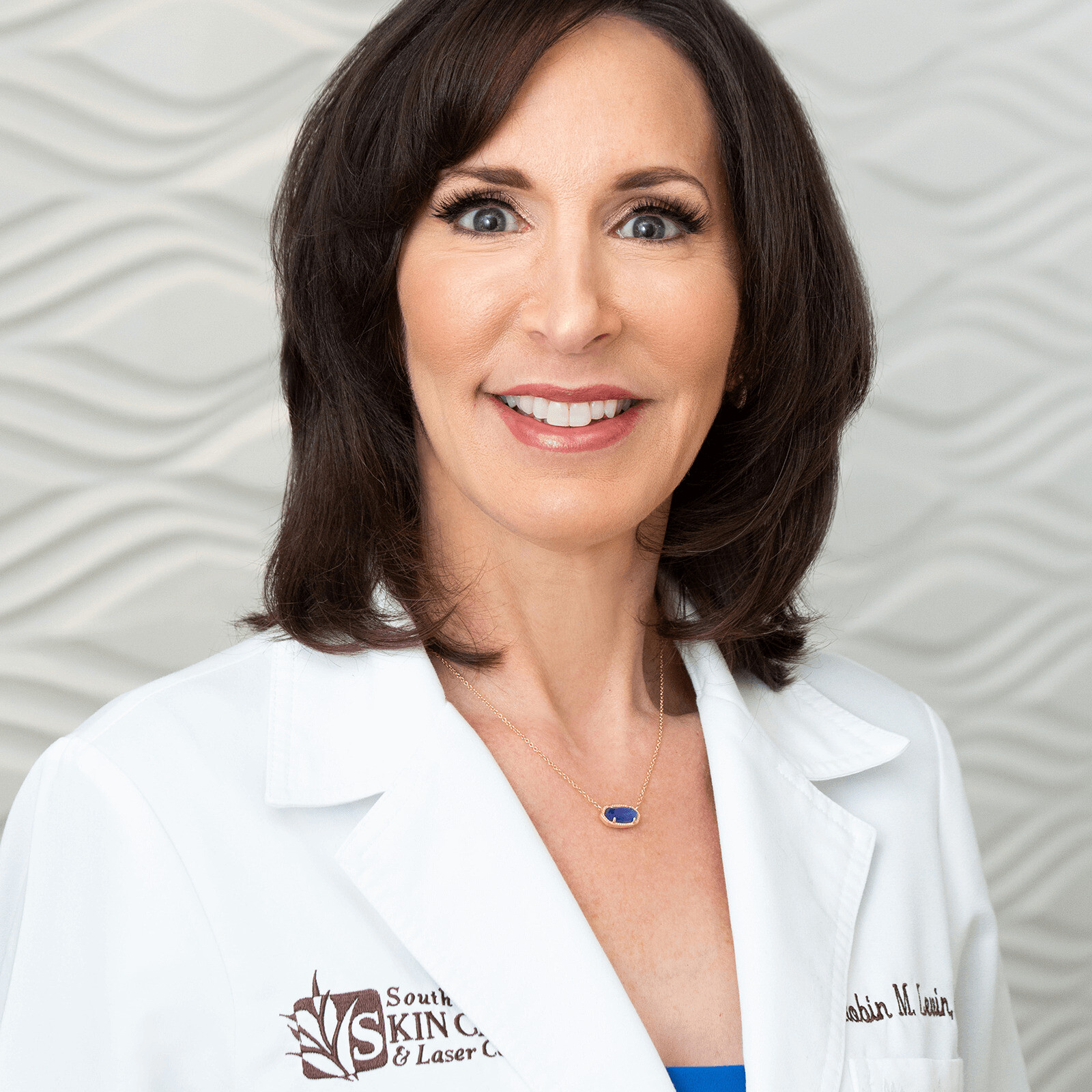
South Jersey Skin Care & Laser Center is dedicated to providing a phenomenal experience for every patient. The team of professionals led by board-certified dermatologist and Philadelphia-area “Top Doc” Dr. Robin Levin is made up of skilled and caring professionals who make each patient a priority. Providing personalized care for South Jersey residents’ dermatology needs is a privilege Dr. Levin has been embracing for more than a decade.



South Jersey Skin Care & Laser Center is dedicated to providing a phenomenal experience for every patient. The team of professionals led by board-certified dermatologist and Philadelphia-area “Top Doc” Dr. Robin Levin is made up of skilled and caring professionals who make each patient a priority. Providing personalized care for South Jersey residents’ dermatology needs is a privilege Dr. Levin has been embracing for more than a decade.
South Jersey Skin Care & Laser Center in New Jersey
Dermatology for You
Skin Cancer Treatment Options Explained
Can skin cancers be treated successfully? As doctors learn more about skin cancers and medical treatments have become more advanced, the outlook in terms of survival is hopeful. In most cases, cancers are successfully treated. Various specific techniques and procedures are used to treat this condition at our New Jersey practice.
The treatment plan will depend on the type and location of your cancer, the stage of the cancer, whether it has spread elsewhere, and your overall health.
Depending on your specific cancer, a surgical or non-surgical method may be advised. These can include excision, prescription creams, electrodessication, curettage, photodynamic therapy, radiation, lymph node dissection, or Mohs surgery. Most of the time, surgery is the main treatment method. You will have an opportunity to discuss any recommended procedure and treatment plan during your appointment.
Why Might the South Jersey Skin Care Team Refer Me Elsewhere for Mohs Surgery?
Mohs surgery, which is also known as Mohs micrographic surgery, is a common treatment used for cancers of the skin that involves cutting away layers of skin. Each layer is inspected, and the process continues until all of the cells have been removed and the surgeon can be assured that there are no signs of cancer left.
What sets Mohs surgery apart from other treatments is that the surgeon can see exactly where the cancer stops when they are removing malignant cells. As a result, this treatment has a very high cure rate.
Another benefit of this treatment is that it allows for the full removal of the cancer with minimal harm to the surrounding skin.
Mohs surgery is highly effective for cancers that have a high risk of returning or have returned before, are located in areas where the patient wishes to preserve as much healthy tissue as possible, have difficult to define edges, are large, or are growing rapidly.
All of these elements combine to make Mohs surgery an incredibly highly effective skin cancer treatment for the right patient. If Dr. Robin Levin determines that this approach would be best, she or a physician assistant will refer you to a specially trained doctor.
Skin Cancer FAQs
Any mole or spot that changes in size, shape, color, or texture should be evaluated. Other warning signs include asymmetry, irregular borders, multiple colors, or a lesion that begins to itch, bleed, or crust.
The ABCDE rule helps identify suspicious moles:
- A – Asymmetry: One half does not match the other
- B – Border: Irregular or blurred edges
- C – Color: Multiple or uneven colors
- D – Diameter: Larger than 6 mm or increasing in size
- E – Evolution: Any visible change over time
The “ugly duckling” sign refers to a mole that looks different from all others on your body. Even if it does not meet ABCDE criteria, it should be examined by a dermatologist.
A dermatologist performs a full-body skin exam, carefully checking for suspicious lesions. If needed, dermoscopy may be used to examine spots more closely.
A biopsy is recommended when a lesion appears suspicious or cannot be clearly identified during a visual examination. It is the only way to confirm a diagnosis.
After a biopsy, the sample is sent to a lab for analysis. Results help determine whether the lesion is benign, precancerous, or cancerous, and guide next steps for treatment if needed.
Treatment depends on the type and location of the lesion and may include surgical excision, Mohs surgery, cryotherapy, or topical therapies.
In some cases, lesions may recur in the same area or new ones may develop elsewhere. Ongoing dermatology follow-up is often recommended.
Yes. Lesions can develop in less visible areas such as the scalp, behind the ears, between toes, under nails, groin, and buttocks. These areas are carefully checked during a full-body exam.
You should schedule a visit if you notice any new, changing, or unusual skin growth, or if a lesion looks different from others on your body.
Full-Service Skin Cancer Care and Treatment Options in New Jersey
There are cosmetic treatments that enhance the appearance of your skin if you have had cancer or wish to address cosmetic concerns. At our practice, we also provide a wide range of treatments to minimize post-cancerous scarring or for other skin conditions, including laser treatments, fillers (to fill in hollowed or recessed scars), and other aesthetic options. You will find the spa-like atmosphere of our state-of-the-art facility a welcoming and caring environment for all your skin care needs.
Get trusted skin cancer care in NJ at South Jersey Skin Care & Laser Center. Book your appointment online or call or text (856)-810-9888.

*We are all different! Patient results may vary.